
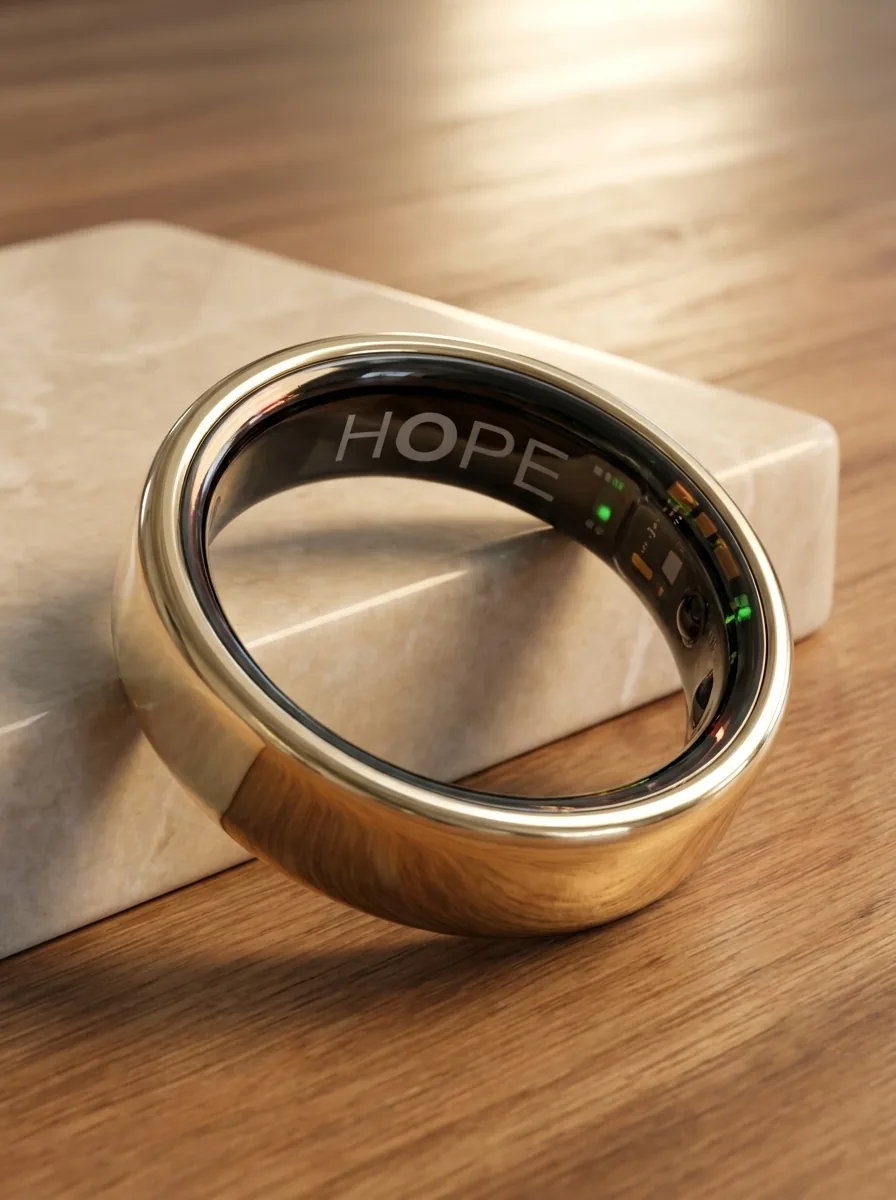
Fall detection wearable devices are body-worn safety tools designed to identify certain fall-like events and raise an alert, helping family, carers or a monitoring service become aware sooner.
For older adults, people with reduced mobility and families caring from a distance, that added awareness can support independent living. But not every device works the same way. Some are pendants or watches. Others clip to clothing or use a discreet smart ring. Some rely mainly on a button; others add automatic detection.
This guide explains how these devices work, how the options compare, what their limitations are and what to consider before choosing one.
Why fall detection matters
A fall can lead to injury, hospitalisation, loss of confidence and reduced independence. The risk is not only the fall itself, but what happens afterwards.
- The person may not be able to reach a phone.
- They may be injured, confused or unable to call out.
- They may live alone or be out of sight.
- Family may not realise anything has happened for hours.
The purpose of a wearable fall alert is to reduce the time between a potential fall and someone being notified. It cannot prevent every fall or replace clinical care, home safety changes or regular support, but it can add another layer of protection.
What is a fall detection wearable device?
A fall detection wearable device is worn on the body and designed to detect certain movement patterns that may indicate a fall. Depending on the system, an alert may go to family, carers, emergency contacts, a monitoring centre or a connected app.
Many devices also include manual SOS because automatic detection cannot identify every event. Manual activation can help when someone feels dizzy, unsafe, unwell or unable to get up—even if a fall has not occurred.
How do fall detection wearable devices work?
Most systems use motion sensors and software to look for a sequence such as a sudden movement, drop or impact, change in body position, and a period of stillness afterwards.
- Sensors measure movement, direction or orientation.
- An algorithm compares the movement with known fall-like patterns.
- The device may vibrate, sound or start a countdown.
- The wearer may be able to cancel if they are safe.
- If not cancelled, the configured alert pathway begins.
Common sensors
Accelerometers measure changes in speed and direction. Gyroscopes measure rotation and orientation. Some devices add altitude sensors, GPS or wellbeing signals such as heart rate to provide more context.
These signals can support a safety decision, but they should not be treated as a diagnosis.
Types of fall detection wearable devices
Pendant fall detection devices
Pendants are familiar, usually simple to operate and often include a large SOS button or professional monitoring. Some people, however, dislike the medical appearance or remove them for sleep, showering or comfort.
Fall detection smartwatches
Smartwatches may combine GPS, calling, health tracking and fall detection. They can suit people already comfortable with mobile technology, but may feel complicated, bulky or require frequent charging.
Wrist-worn fall detectors
Simpler wrist devices focus mainly on safety. They can offer fewer distractions than a smartwatch, though consistent wear and comfort still matter.
Clip-on fall detection devices
Clip-on devices can sit close to the body’s centre of mass and may be discreet under clothing. Their weakness is routine: they can be forgotten, left on another garment or removed during changing.
Fall detection smart rings
A fall detection smart ring is small, discreet and potentially easier to wear continuously. It may appeal to someone who dislikes pendants or watches. The technical challenge is significant: limited battery and sensor space, correct sizing and careful algorithm design all matter.
How the main wearable options compare
| Option | Strengths | Considerations | May suit |
|---|---|---|---|
| Pendant | Simple button, familiar, monitoring options | Visible, can feel medical, may be removed | People prioritising simplicity |
| Smartwatch | GPS, calling and health features | Charging, complexity, wrist comfort | Confident technology users |
| Safety wristband | Focused interface, often lightweight | Still visible and removable | People wanting fewer smart features |
| Clip-on | Flexible placement, can be discreet | Easy to forget or misplace | People with consistent routines |
| Smart ring | Discreet, screen-free, low-stigma | Sizing, battery and complex detection design | People who dislike pendants or watches |
For a deeper comparison of pendant alarms, wellness rings and safety-first smart rings, read our guide to pendant alarms vs smart rings.
What features should you look for?
- Automatic detection: useful when the wearer cannot act.
- Manual SOS: important because automatic detection is not perfect.
- A clear alert pathway: know exactly who is contacted and what happens if they do not respond.
- Location sharing: relevant for people who leave home independently.
- Practical battery life: a device cannot help while uncharged.
- Comfort and water resistance: the device must fit daily routines and real environments.
- False-alert management: accidental alerts should be simple to cancel.
- Family or carer access: battery, status and alert information may support care from a distance.
The biggest limitation: no device detects every fall
Slow slides, gradual collapses, softened impacts, falls against furniture and events where the device is not worn can be difficult to identify. Battery, signal and connectivity can also affect performance.
Important: Fall detection technology is an added safety layer, not a guarantee. It does not replace manual SOS, emergency services, medical advice, professional care or a personalised safety plan.
It should sit alongside appropriate supports such as home safety reviews, mobility aids, strength and balance programs, medication reviews and regular check-ins.
Why wearability is just as important as accuracy
Real-world protection depends on two questions: can the device detect a fall, and will the person actually wear it?
A technically capable device is not useful if it is charging on a bedside table, removed because it is uncomfortable, or rejected because it feels stigmatising. The best fall detection device is the one that matches the person’s habits, comfort, confidence and risk—and stays with them.
Who should consider a fall detection wearable?
A wearable may be worth discussing for someone who lives alone, has fallen before, has reduced mobility or balance, uses mobility support, is recovering from hospitalisation, has health conditions that may increase risk, or wants more confidence at home.
It may also help families create reassurance without intrusive monitoring. A health professional or occupational therapist can help assess individual needs where appropriate.
Fall detection wearable devices in Australia
In Australia, these devices may be considered within independent living, aged care, assistive technology and home support planning.
Under Support at Home, some people may be assessed for assistive technology through the relevant pathway. Funding is not automatic. Suitability and eligibility depend on assessed needs, the support plan, provider approval and relevant professional input where required.
Families should speak with their provider, care coordinator, occupational therapist or relevant health professional before assuming a device will be funded.
Where HOPE Ring fits in
HOPE Ring is being designed for people who want safety support without the bulk or stigma of a traditional device.
Its discreet ring form factor is intended to support potential fall alerts, emergency notifications, family and caregiver updates, continuous wellbeing monitoring and care visibility between visits.
HOPE Ring does not prevent falls, guarantee detection or replace emergency services, professional assessment or clinical care. It is being developed as another safety layer for people living independently.
How to choose the right fall detection wearable
Will the person actually wear it every day?
Is setup, charging and daily use simple enough?
Does it work where the person spends their time?
Who receives an alert, and what happens next?
Does it include both automatic detection and manual SOS?
Is it comfortable, acceptable and suited to their routine?
The strongest choice is not always the device with the longest feature list. It is the device that fits the person and connects to a clear, realistic response plan.
Final thoughts
Fall detection wearable devices can add a useful layer of safety, but choosing well requires more than comparing specifications.
For some people, a pendant will be right. For others, a smartwatch or simple wrist device may work well. For someone who wants a low-stigma, screen-free option, a fall detection smart ring may feel more natural.
What device will they actually wear when it matters?
That answer should guide everything else.
Frequently asked questions
Questions about fall detection wearables
What is a fall detection wearable device?+
It is a body-worn safety device designed to identify certain fall-like movements and trigger an alert to family, carers, a monitoring service or other configured contacts.
Do fall detection wearables detect every fall?+
No. Falls vary widely, and no wearable can guarantee detection of every event. Slow slides, softened impacts, a device not being worn, low battery or unavailable connectivity can affect performance.
Which fall detection wearable is best for an older person?+
The best option matches the person’s risks, routine, comfort, technical confidence and alert needs—and is something they will wear consistently. A professional assessment may be useful.
Are fall detection wearables funded under Support at Home?+
Some Australians may be assessed for suitable assistive technology, but funding is not automatic. Eligibility depends on assessed needs, the support plan, provider approval and relevant professional input where required.
Is a fall detection smart ring a replacement for emergency services?+
No. Any fall detection wearable is an added safety layer. It does not replace manual SOS options, emergency services, medical advice, professional care or a personalised safety plan.